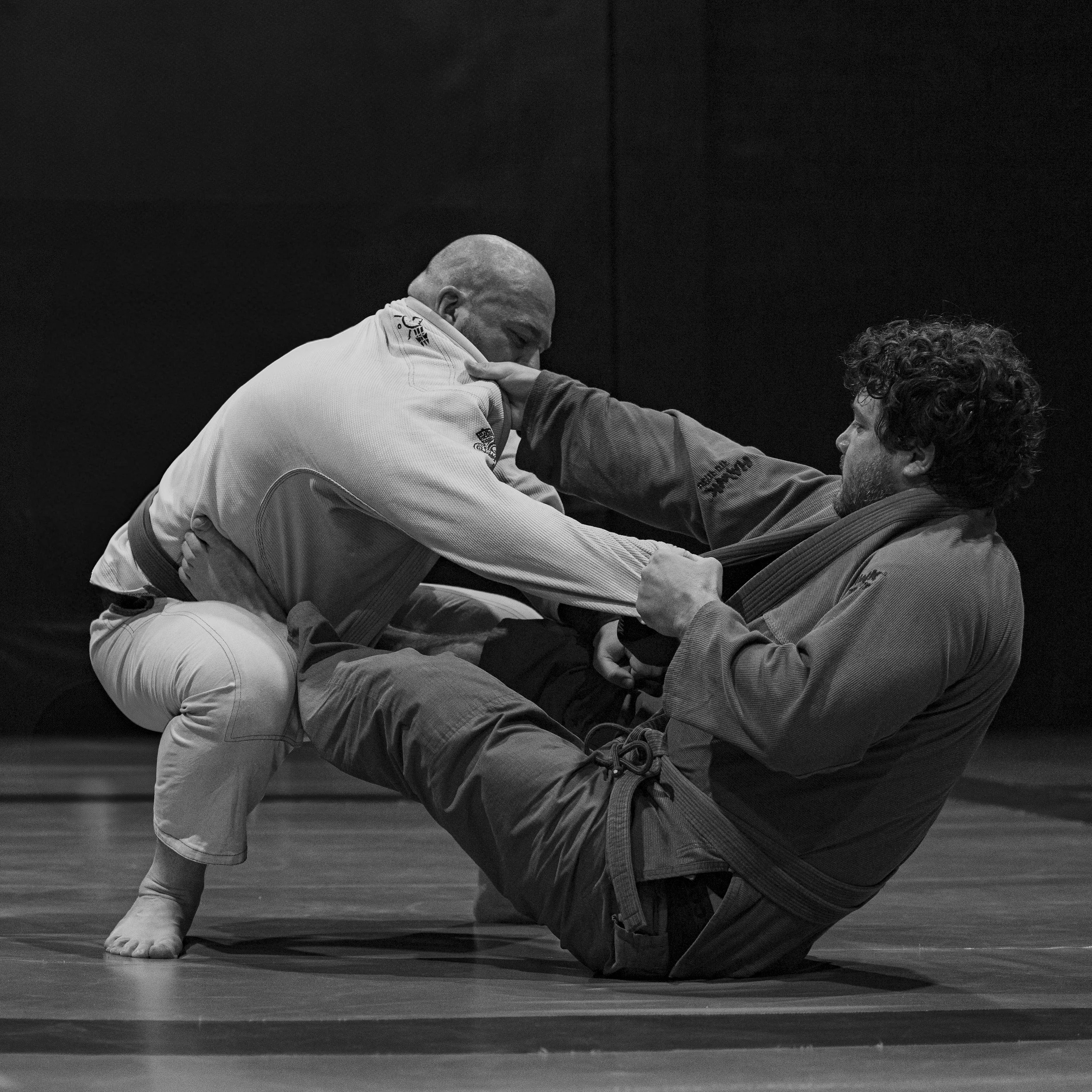

What is a Jiu-Jitsu Gi? What are its Various Types? Quick Guide
A BJJ Gi is a uniform that every grappler has to wear if they want to compete in the IBJJF matches. It has three main components: jacket, belt, and pants.
Table of Contents
30 Second Summary - Jiu Jitsu Gi and Its Types
2.1.3 High Impact or Stress Areas
2.2.2 Reinforcement At the Knees
2.4 Other Related Components of a Jiu Jitsu Gi
3.7 Competition vs Training Gis
30 Second Summary - Jiu-Jitsu Gi and Its Types
A BJJ Gi is a uniform that every grappler must wear if they want to compete in IBJJF matches or in any other tournament that follows the Gi BJJ structure. It has three main components: jacket, belt, and pants. You can have a brand or team logo on your Gi, but not the offensive or weird patches. It has several types based on the weight, color, weave, and fabric.
It ranges from lightweight to medium and heavyweight. It can be any color, though the IBJJF allows only three: black, blue, and white. But if you are only training, you can wear any color you choose, such as red, orange, or yellow. According to the weaves, it can be single, double, gold, or pearl. They differ in their durability, stiffness, thickness, and gripping opportunities.
1. What is a Jiu-Jitsu Gi?
A Jiu Jitsu Gi or a kimono is a uniform that all grapplers training and competing in a Gi BJJ wear during grappling. It was inspired by the traditional Judo uniform. It should be made of a tough material that can withstand the daily wear and tear of intense, long BJJ grappling sessions.
2. Key Components of a BJJ Gi
A Jiu-Jitsu Gi consists of the following main components:
2.1 Gi Jacket
2.1.1 Fabric Weave
It is also known as a kimono or a uwagi. It is usually made of cotton or a cotton blend to withstand daily, intense grappling sessions without wear and tear. It can be single-, double-, gold-, or pearl-weave, and each provides different levels of comfort and durability.
2.1.2 Jacket Collar
The collar of a jacket features lapels made of rubber or heavy cotton. The material should be thick to prevent your opponent from having easy grabs. The collar should be rigid and durable so it can withstand pulling or choking.
2.1.3 High Impact or Stress Areas
High-impact or stress areas, such as cuffs, side vents, and armpits, should have flatlock stitching to resist easy tear during grappling.
2.2 Gi Pants
2.2.1 Fabric or Material
Gi pants are also known as shitabaki. These are like the trousers, unlike formal ones. They are made of a variety of materials, including ripstop, cotton, twill, and more. But the most common belief is that ripstop material is best for pants, and it offers several benefits over other materials. Most expert you to avoid cotton pants at all costs. Ripstop material is usually preferred in double because it provides good mobility.
2.2.2 Reinforcement At the Knees
The pants should have some reinforcement at the knees, as it will help handle wear and tear and friction during kneeling in grappling.
2.2.3 Drawstring
The Gi pants should have a drawstring closure. Its material can be modern elastic rope, traditional cotton, or rubber. It should pass through the multiple loops.
2.3 Gi Belt
2.3.1 Purpose
The Gi belt in BJJ is also known as an obi. The primary purpose of a Gi belt in BJJ is to secure your Gi jacket and keep it in place. Another use of the belt in Jiu-Jitsu is to display your rank in Jiu-Jitsu, such as white, blue, purple, brown, or black.
2.3.2 Fabric or Material
It is usually made of heavy-duty cotton and has sleeves that display the strips for a specific belt rank.
2.4 Other Related Components of a Jiu-Jitsu Gi
2.4.1 Rash Guards
A rashguard is not a component of Gi in BJJ, but since we are talking about what grapplers wear during BJJ matches or training, rashguards are a very important element. Most BJJ practitioners wear them under their Gis as they provide maximum protection from body scratches, infections, and mat burns.
2.4.2 Logos or Patches
You can also have some logos or patches of your own choice on your Gis, pants, or jackets. But they should not be offensive or weird. If you want to compete, you need to follow the IBJJF guidelines on the topic.
3. Types of Jiu-Jitsu Gis
The following are some types of Jiu-Jitsu Gis based on color, purpose, weight, or weave.3.1 Single Weave BJJ Gi
This is the lightweight Gi, usually the lightest any brand makes, around 300 GSM. This lightweight Gi is ideal for beginners or for grapplers of any rank who train in hot climates. It is also best for daily training, ensuring long, intense grappling sessions.
3.2 Pearl Weave BJJ Gi
It ranges from lightweight to medium-weight Gi. This is the most famous Gi type among the Jiu-Jitsu grapplers. It offers comfort, lightness, and durability. This makes the Gi perfect for both training and competition. Its weight varies from 400 to 500 GSM.
3.3 Gold Weave BJJ Gi
The gold-weave BJJ Gi is famous for its exceptional durability among all Gi types. It comes between single and double weave in terms of its weight. It has one con: it tends to shrink. So, ensure you buy a slightly larger size than your actual one, so it still fits after washing.
3.4 Double Weave Jiu Jitsu Gi
It is a heavyweight Gi, with a weight of around 550+ GSM. It is very stiff and thick. It is considered the best way to avoid your opponent grabbing your Gi. But it also has one drawback: it restricts your free movement during grappling. Most grapplers use it during contests to avoid grips, as it can lead to various submissions, such as chokes.
3.5 Ripstop Gis
Although not a common term, many Gis are made of ripstop material. This material is known for its maximum durability and therefore resists wear and tear during long, intense daily grappling sessions. It may feel less traditional for many grapplers.
3.6 Hybrid Weaves
As each weave has its own pros and cons, some brands are now offering Gis with multiple weaves to enjoy the benefits of more than one in a single BJJ Gi. For example, it may include bamboo or honeycomb blends, and they provide maximum breathability and comfort during grappling.
3.7 Competition vs Training Gis
There is no universal agreement on this confusion. Some grapplers believe they should use the same Gis for both contests and training, whereas others believe the opposite. Well, you cannot draw a line to say which one is the best, because both have their own pros and cons. So both Gis can be the same or different, but it depends entirely on the grappler.
3.8 Tight vs Loose
You should not wear a Gi that is too tight or too loose. Some grapplers prefer Gis that are fit and tight (not too tight), whereas others enjoy grappling with a loose Gi (but not too loose).
3.9 Colors
BJJ Gi comes in various colors, but the IBJJF allows only three in its contests: black, blue, and white. But if you are aiming for the contest, you can wear any color, such as orange, yellow, red, or purple. Brands now make many colored Gis specifically for youth who want to wear unique, modern colors.
3.10 GSM or Weight
A Jiu-Jitsu Gi can be lighter, heavier, or medium in weight. You can choose any type of Gi to wear for your training, but prefer one that allows you to perform at your best. For example, if you are just starting, go for lightweight Gis; if you are an expert, you can choose any, but prefer medium weight. Some black belts also wear heavyweight Gis as they are less likely to grip than the lighter or medium-weight Gis.